Home About Services Case Studies Resource Centre Contact

HIGHWAY MAINTENANCE RESOURCE CENTRE

Permanent, sustainable repairs backed by real engineering.

This page brings together practical, technical and sustainability information for asset managers and clients who want longer-life repairs, fewer repeat visits and lower carbon.

HEADLINE PERFORMANCE EXAMPLE

Up to 97% less CO₂ compared to throw-and-go pothole repairs.

One permanent, hot-applied Elastomac repair can replace multiple repeat visits with conventional methods over the same period, reducing both carbon and disruption to road users.

Elastomac – Permanent Hot-Applied Repair System

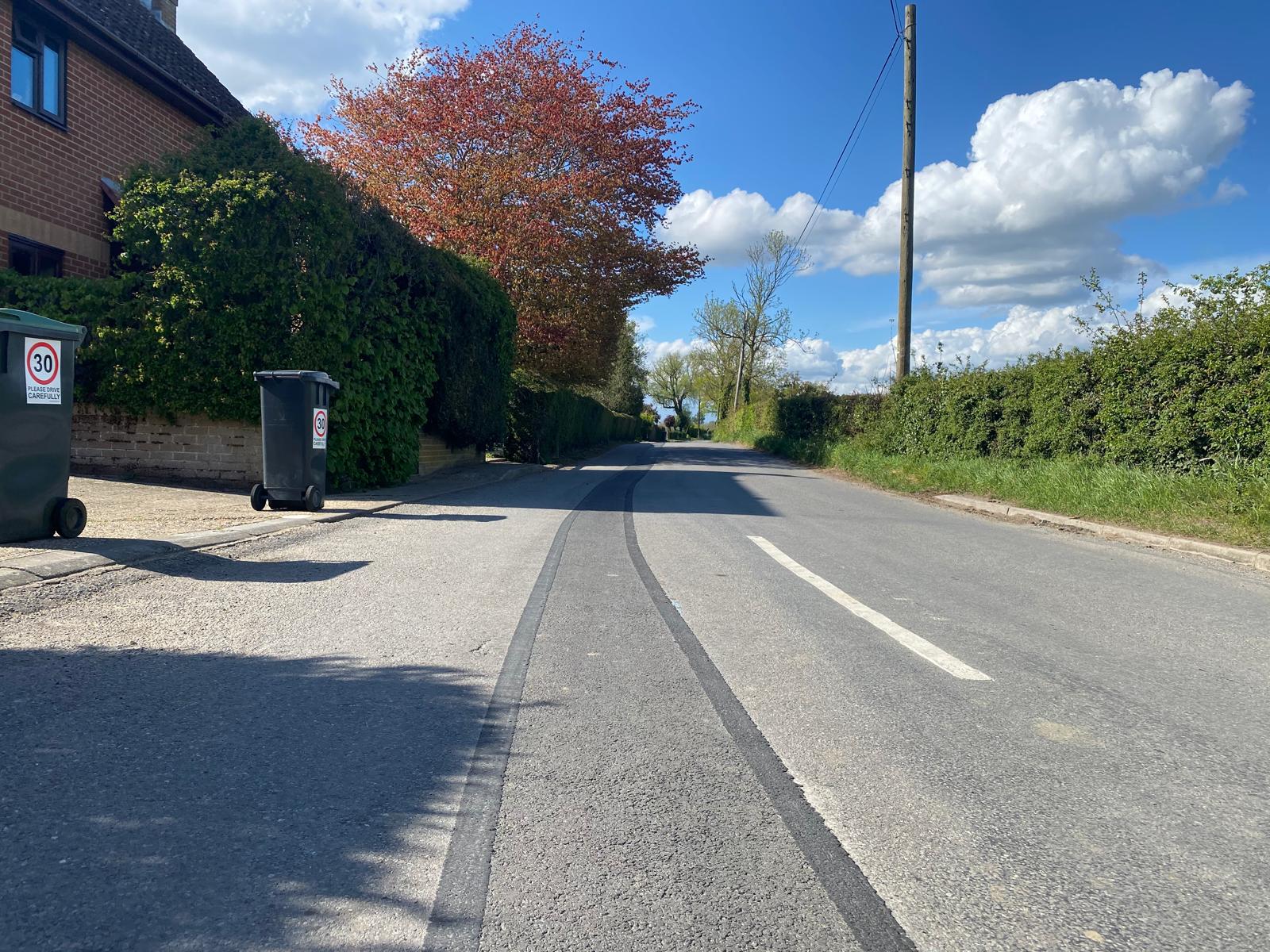
Elastomac is a hot-applied, polymer-modified, fully waterproof reinstatement system designed to deliver permanent, long-life repairs for potholes, cracks, utility trenches and other pavement defects. This section provides a deep technical overview of its engineering background, performance properties, whole-life carbon benefits and real-world application results.

1. Origins & Development of Hot-Applied Permanent Repair Systems

Hot-applied reinstatement systems have existed for over 30 years, originally developed for use in high-movement, high-stress environments such as airfields, bridge decks and industrial pavements. These early materials demonstrated that a repair which could be heated, flow into voids, bond with the surrounding asphalt and cool as a seamless monolithic structure was dramatically more durable than cold-lay alternatives.

Elastomac represents the next generation of these systems, combining polymer-modified binders with recycled rubber and selected aggregates to create a flexible, waterproof, load-bearing material that behaves more like engineered asphalt than a traditional patch.

2. Material Composition & Engineering Properties

Elastomac is designed to mimic the behaviour of asphalt while adding superior flexibility, waterproofing and bonding capability. Its composition typically includes:

  • Polymer-modified bitumen: Provides elastic recovery and high-temperature performance.
  • Recycled rubber crumb: Enhances flexibility and provides shock absorption.
  • Specialised aggregates: Improve skid resistance and mechanical strength.
  • Reactivating agents: Allow hot bonding to surrounding asphalt at a molecular level.
  • Anti-ageing additives: Reduce oxidation and extend service life.

The result is a hot-poured repair which self-levels, fills voids, expels moisture and forms a dense, void-free reinstatement.

3. How Elastomac Works – Engineering Breakdown

Elastomac achieves durability through four key mechanisms:

3.1. Hot Bonding

When heated to operating temperature (typically 180–200°C), Elastomac forms a true hot bond with the existing asphalt. Unlike cold patch materials, which sit on top of the road surface, Elastomac fuses into the surrounding matrix – eliminating cold joints.

3.2. Waterproof Sealing

The repair cures as a sealed, impermeable membrane. Water cannot infiltrate the repair edges or base layer, breaking the freeze–thaw cycle permanently.

3.3. Flexibility & Elastic Response

The addition of polymers and rubber crumb allows Elastomac to flex under loading and thermal movement. This reduces cracking and allows the material to absorb shock and deformation without structural damage.

3.4. Monolithic Structure

Once cured, the material becomes a dense, cohesive, void-free mass with excellent load distribution. It effectively reinstates the structural layers of the pavement, not just the surface.

4. Comparison Against Traditional Repair Methods

Traditional reactive maintenance relies heavily on cold-lay or cut-and-patch systems, each with inherent weaknesses:

Method Strengths Weaknesses
Cold-lay asphalt Fast, simple, low-cost No bonding, poor compaction, rapid failure
Cut-and-patch Better structural replacement Cold joints, water ingress, slower process, waste
Elastomac Hot bond, waterproof, flexible, long-life Requires heating equipment

5. Mechanical Performance Characteristics

Elastomac outperforms cold-lay and many hot asphalt reinstatements in several key mechanical properties:

5.1. Tensile Strength & Elastic Recovery

Elastomac demonstrates elastic recovery values significantly higher than conventional materials, allowing it to resist cracking under thermal stress or sub-base movement.

5.2. Shear Resistance

On high-shear sites such as roundabouts, HGV loading zones and bus stop approaches, Elastomac maintains structural coherence and resists horizontal forces more effectively.

5.3. Compaction Independence

Unlike asphalt, Elastomac does not rely entirely on compaction. It self-levels into voids and bonds chemically, allowing consistent density even in hard-to-compact locations.

5.4. High-Temperature Stability

The polymer-modified binder retains stability under extreme summer temperatures, preventing bleeding or softening.

5.5. Low-Temperature Flexibility

The rubber content allows movement in winter without cracking, making it ideal for the UK freeze–thaw climate.

6. Carbon & Sustainability Benefits

Elastomac offers one of the highest carbon savings of any pothole repair method currently in use by UK local authorities:

  • Elastomac: 0.825 kg CO₂e per m² (once every 4 years)
  • Throw-and-go patching: 31.2 kg CO₂e per m² (two visits per year)

This represents a carbon reduction of up to 97% per defect, multiplied across hundreds or thousands of sites annually.

Additional sustainability benefits include:

  • Recycled rubber content
  • Zero material waste
  • Fewer repeat visits
  • Reduced traffic management impact
  • Significantly lower whole-life emissions

7. Application Process

Elastomac repairs follow a structured, engineering-led procedure:

  1. Clean the defect and remove loose material.
  2. Dry and preheat the area (ensures perfect bonding).
  3. Introduce Elastomac directly from the boiler unit.
  4. Allow the material to flow, level and fuse with the surface.
  5. Texture the surface with anti-skid aggregate if required.
  6. Open to traffic within minutes once cooled.

This rapid procedure reduces disruption for road users while creating a repair that typically lasts as long as the surrounding pavement.

8. Real-World Performance

UK authorities using Elastomac consistently report:

  • Zero re-failure in early life
  • Strong resistance to water and frost
  • Excellent durability in high-stress locations
  • Substantial reductions in TM costs
  • Reduced complaints from residents
  • Fewer emergency callouts

9. Typical Use Cases

  • Potholes
  • Cracks and joints
  • Ironwork surrounds
  • Edge deterioration
  • Trench reinstatements
  • Patch failures
  • Bridge decks
  • Utility openings

10. Summary

Elastomac provides a long-life, waterproof, flexible reinstatement option designed for real-world highway pressures. By eliminating cold joints, locking out water and restoring structural capacity, it represents a transformative step forward in permanent pothole and defect repair.

.

Key advantages:

Elastomac repair

Potholes & Pavement Defects

Potholes & Pavement Defects

Potholes remain one of the most persistent and costly defects on the UK highway network. This expanded guide explains exactly how potholes form, why certain locations fail repeatedly, and how permanent hot-applied solutions break the repair cycle.

1. Understanding How Potholes Form

Potholes do not appear randomly. They follow a predictable engineering sequence:

  1. Surface cracking: Thermal movement, traffic loading and binder ageing create micro-cracks.
  2. Water ingress: Rainwater enters the cracks and begins saturating deeper layers.
  3. Freeze–thaw cycling: Water expands by 9% when it freezes, forcing cracks wider.
  4. Binder failure & ravelling: Aggregate detaches as the binder weakens.
  5. Structural breakdown: HGV wheel loads collapse softened layers.
  6. Pothole formation: Material ejects, creating a cavity that expands rapidly.

Once a defect reaches this stage, deterioration accelerates exponentially — especially under braking, turning or heavy wheel-path loading.

2. Pavement Layer Structure & Why It Matters

The behaviour of potholes depends heavily on the condition of each pavement layer:

Surface Course

  • Provides texture and waterproofing
  • First layer to age, oxidise and crack

Binder Course

  • Absorbs traffic shear forces
  • Failure here accelerates surface breakdown

Base Course

  • Main structural layer
  • Weakening leads to deep recurrent potholes

Sub-base

  • Granular load-spreading layer
  • Highly water-sensitive — saturation causes pumping and collapse

Subgrade

  • Natural ground conditions
  • Clay soils expand/contract seasonally, contributing to failure

3. Why Some Locations Fail Repeatedly

Many roads experience recurring defects due to deeper structural issues:

  • Poor drainage: Water trapped beneath the surface softens structural layers.
  • Utility reinstatements: Cold joints and weak interfaces cause repeat failures.
  • Road edges: Less structural support + more water exposure.
  • High-stress areas: Bus stops, junctions, braking zones, roundabout exits.
  • Thin surfacing: Layers under 30–35mm crack significantly faster.
  • Insufficient compaction: Voids allow water to accumulate.

4. Why Traditional “Throw-and-Go” Repairs Fail

Cold-lay temporary patching is fast but not durable because:

  • No waterproof seal — water enters instantly
  • No hot bonding — cold joints form weak edges
  • Poor compaction — voids remain
  • Material shrinkage — gaps form around edges
  • Traffic scouring — HGV wheels eject material

This is why councils often revisit the same defect several times per year, increasing cost and carbon output.

5. Why Permanent Hot-Applied Repairs Work

Modern hot-applied materials such as Elastomac break the failure cycle through:

  • Seamless hot bonding: No cold joints, no weak interfaces.
  • Full waterproofing: Prevents water ingress completely.
  • Elastic behaviour: Absorbs thermal movement without cracking.
  • Zero waste: Material can be reheated and reused.
  • Rapid opening: Traffic runs within minutes.
  • Huge carbon savings: Up to 97% less CO₂ compared with throw-and-go.

6. Types of Defects

A complete engineering classification of common pavement failures:

  • Alligator / fatigue cracking: Structural fatigue under repeated loads.
  • Longitudinal cracking: Often due to poor joints.
  • Transverse cracking: Thermal contraction.
  • Block cracking: Binder ageing and oxidation.
  • Edge break: Unsupported road edges and water damage.
  • Slippage cracking: Lack of cohesion between layers.
  • Rutting: Permanent deformation from HGV loading.
  • Patching failure: Breakdown of previous reinstatements.

7. Whole-Life Cost & Carbon Impact

Each return visit increases carbon emissions through crew mobilisation, traffic management, plant operation, and repeated material use. Permanent repairs significantly reduce:

  • CO₂ emissions
  • Operational costs
  • Traffic disruption
  • Risk exposure for workforce and road users

8. Summary

Potholes form through a predictable chain of water ingress, cracking, freeze–thaw expansion, and structural weakening. Traditional cold-lay repairs cannot break this cycle because they do not waterproof, structurally bond, or resist traffic loading.

Permanent, hot-applied material reinstatements offer a sealed, flexible, durable repair with significantly lower whole-life carbon and cost.

Main causes:

Traditional cold-lay repairs often fail due to poor bonding, insufficient compaction and cold joints. Hot-applied systems such as Elastomac create a monolithic, waterproof repair that prevents reoccurrence.

Asphalt & Surfacing

Modern asphalt mixtures are designed for strength, durability, flexibility and skid resistance. Different surface and binder courses are specified depending on traffic loading, stress levels and local authority requirements.

1. Introduction

Asphalt surfacing provides the final waterproof and skid-resistant layer of a road. Although highly durable, it remains vulnerable to temperature swings, heavy traffic loading, binder oxidation and water infiltration. These factors explain why certain defects form and why long-lasting repairs require more than simple cold-lay patching.

2. Types of Asphalt Used on UK Roads

2.1 Dense Bitumen Macadam (DBM) / Asphalt Concrete (AC)

2.2 Stone Mastic Asphalt (SMA)

2.3 Hot Rolled Asphalt (HRA)

2.4 Thin Surface Systems

2.5 Cold Lay / Cold Mix

3. Structural Layers of a Road

3.1 Surface Course

Provides waterproofing, skid resistance and texture depth. Thickness typically 30–50mm.

3.2 Binder Course

Distributes loading from surface into lower layers. Thickness 50–70mm.

3.3 Base Course

High-strength layer for HGV routes. Thickness 80–120mm.

3.4 Sub-base

Granular Type 1 material. Must remain dry. Saturation leads to structural weakening and collapse.

3.5 Subgrade

Underlying natural soils. Highly sensitive to seasonal wetting, shrinkage and frost heave.

4. How Asphalt Fails — Full Failure Modes

4.1 Fatigue Cracking

Repeated heavy wheel loads create micro-fractures which propagate through the asphalt, forming interconnected “crocodile cracking”. Common on stressed HGV routes.

4.2 Thermal Cracking

Temperature swings cause expansion and contraction. Low temperatures lead to transverse cracks, especially in older or oxidised asphalt.

4.3 Edge Breaks

Occurs where road edges lack support from kerbs or verges. Heavy vehicle over-run and saturated shoulders accelerate deterioration.

4.4 Rutting

Permanent depressions in wheel tracks caused by under-compacted asphalt, soft binder grades or extreme summer temperatures.

4.5 Surface Wear (Ravelling)

Loss of aggregate from the surface due to binder oxidation or insufficient adhesion between binder and aggregate.

4.6 Patching Failure (Cold Lay Breakdown)

Cold-lay materials do not bond to existing asphalt. Water penetrates edges immediately, leading to rapid ejection of the patch under traffic.

4.7 Joint Failure

Construction joints fail when not compacted properly. Water infiltrates and freeze–thaw cycles widen the joint.

5. Typical Defects Seen in UK Asphalt

6. Why Traditional “Throw-and-Go” Repairs Fail

6.1 No Heat Bond — No Waterproof Seal

Cold materials cannot fuse with the existing asphalt, leaving weak edges where water enters immediately.

6.2 Shallow Repairs

Only the top is treated while deeper structural cracks remain untouched.

6.3 Voids & Poor Compaction

Cold patches have high air voids, allowing rapid water infiltration and early failure.

6.4 Short Life Expectancy

Cold-lay repairs often fail within weeks on busy routes and typically last 3–6 months even in low-traffic areas.

7. Why Hot-Applied Repairs Perform Better

7.1 Seamless Heat Bond

Hot materials weld into the surrounding asphalt, eliminating cold joints.

7.2 Waterproof Seal

Prevents water ingress — the root cause of nearly all asphalt failures.

7.3 Structural Integrity

Hot-applied repairs fill voids and reinstate layer strength.

7.4 Longevity

Proper hot repairs typically last the full design life of the pavement layer.

7.5 Carbon & Cost Benefits

Hot reinstatements require fewer repeat visits, produce zero waste, and reduce CO₂ by up to 97% compared to cold-lay repairs.

Asphalt surfacing >

Drainage & Road Markings

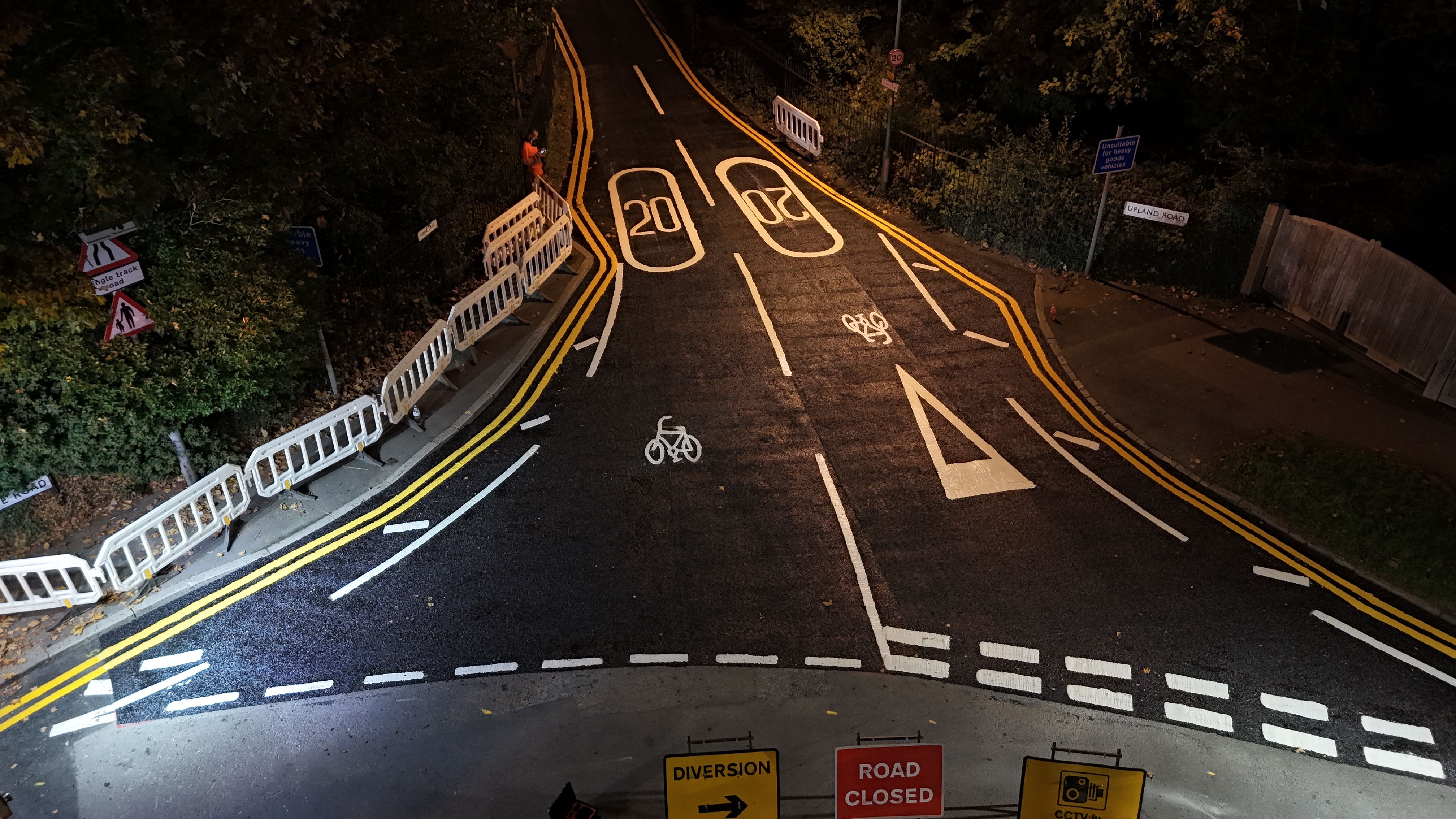
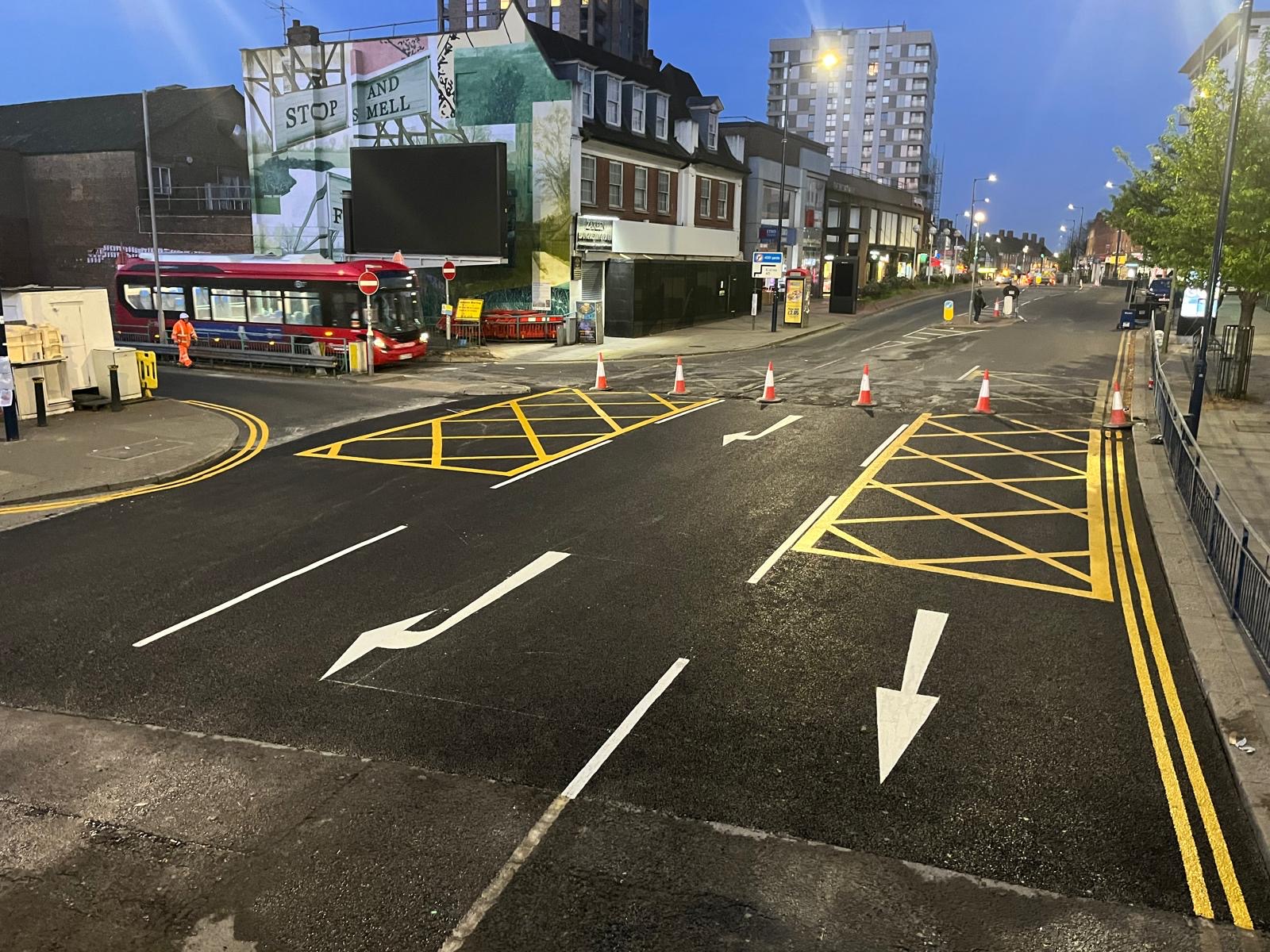
Effective drainage prevents water accumulation, reduces surface breakdown and extends pavement life. Road markings provide essential visibility, lane discipline and safety guidance for all road users. Both drainage and markings play a critical role in network performance, safety and maintenance cost control.

1. Importance of Highway Drainage

Drainage is one of the most important yet overlooked components of road longevity. Most structural failures originate from water penetrating the pavement layers. Proper drainage ensures water is quickly removed from the surface and prevented from saturating the sub-base or subgrade.

2. Key Drainage Systems Used on UK Roads

2.1 Surface Drainage

Designed to remove water from the carriageway as quickly as possible. Includes camber, crossfall and surface texture. Standing water increases skid risk and accelerates surface wear.

2.2 Linear Drainage Systems

Channels water along defined routes such as kerb drains, slot drains and combined kerb-drain units. Helps manage runoff from high-traffic areas.

2.3 Gullies & Gratings

Collect water from the carriageway and direct it into drainage networks. Blocked gullies are a primary cause of localised flooding and edge deterioration.

2.4 French Drains & Filter Drains

Subsurface gravel-filled systems used to drain water from the pavement structure, especially on rural roads and embankments.

2.5 Carrier Drains & Pipe Networks

Transport collected water away from the road into watercourses, soakaways or surface discharge points.

3. Common Drainage-Related Failures

3.1 Edge Softening

Occurs when water saturates the shoulder, causing the pavement edge to break under traffic loading.

3.2 Pumping

Water pressure forces fines upward through cracks or joints, leaving voids that weaken the base layers.

3.3 Freeze–Thaw Damage

Water trapped beneath the surface freezes, expands and fractures the pavement, leading to rapid deterioration.

3.4 Localised Flooding

Caused by blocked gullies or inadequate crossfall. Standing water increases skid risk and causes ravelling.

3.5 Sub-base Saturation

One of the most serious defects. A saturated sub-base loses strength, leading to depressions, rutting and structural collapse.

4. Road Markings – Role & Importance

Road markings provide guidance, lane separation, hazard warnings and legal compliance. Clear, well-maintained markings enhance driver behaviour, traffic flow and road safety.

5. Types of Road Markings

5.1 Thermoplastic Markings

The most common marking material in the UK. Provides excellent durability and retroreflectivity.

5.2 MMA (Methyl Methacrylate)

A durable cold-applied resin system used for high-wear areas such as cycle lanes and junction approaches.

5.3 Water-Based Paint

Typically used for temporary markings or low-traffic areas.

5.4 Preformed Markings

Pre-cut thermoplastic shapes used for symbols, arrows and safety icons.

6. Common Causes of Marking Failure

6.1 Poor Surface Preparation

Dirt, moisture or oil contamination reduces adhesion and causes early peeling.

6.2 Incorrect Application Temperature

Thermoplastic must be applied hot. Low temperatures cause weak bonds and premature wear.

6.3 Surface Moisture

Applying materials to a damp surface causes bubbling, delamination and rapid breakdown.

6.4 Traffic Loading

Heavy turning movements at junctions quickly wear away markings if unsuitable materials are used.

6.5 Age & UV Exposure

Fading occurs as the binder oxidises and retroreflective glass beads wear down.

7. Summary

Drainage and road markings are critical to highway performance. Poor drainage accelerates structural failure, while worn or unclear markings compromise safety. Regular maintenance of gullies, drains and markings dramatically reduces long-term costs and improves network efficiency and road user safety.

Highway drainage systems

Drainage types:

Marking systems:

Road markings

Carbon & Whole-Life Cost

Highway maintenance decisions increasingly prioritise carbon reduction, lifecycle cost savings and whole-network sustainability. This section explains the carbon impact of traditional repair methods, how repeat visits inflate emissions, and why permanent reinstatements dramatically reduce lifetime environmental and financial costs.

1. Why Carbon Matters in Highway Maintenance

The UK’s highways sector is under pressure to reduce emissions while maintaining safety and performance. Traditional reactive repairs generate unnecessary carbon because they involve repeat visits, traffic management, waste materials and plant movements. Permanent repairs significantly reduce these emissions by removing the need for repeated interventions.

2. Carbon Impact of Traditional “Throw-and-Go” Repairs

Cold-lay repairs and short-life patching create some of the highest carbon outputs in routine maintenance. The material itself is not the carbon problem — the issue is the number of times the repair must be repeated.

2.1 Short service life

Traditional patches typically last weeks to months, requiring constant repeat visits.

2.2 High operational emissions

Each return visit produces carbon through crew travel, plant movements and traffic management.

2.3 Waste material generation

Failed patches often need to be dug out and disposed of, generating unnecessary waste and cost.

2.4 Increased traffic disruption

Repeated works cause congestion, which significantly increases vehicle emissions around the site.

3. Carbon Comparison: Traditional vs. Permanent Repairs

The carbon savings are substantial when comparing repeat reactive visits to a single permanent repair.

This represents a carbon reduction of up to 97%.

4. Whole-Life Cost Savings

While short-life repairs appear cheaper per visit, they cost significantly more over a road’s lifecycle. Permanent reinstatements reduce long-term expenditure by eliminating repeat interventions.

4.1 Fewer repeat visits

A single permanent repair replaces multiple reactive interventions.

4.2 Lower traffic management costs

Traffic management is often the biggest cost driver in reactive maintenance. Reducing site visits cuts this dramatically.

4.3 Reduced workforce hours

Fewer site visits reduce labour, plant hire and mobilisation costs.

4.4 Lower defect risk

Permanent repairs prevent the propagation of cracks and water ingress, reducing wider network deterioration.

4.5 Predictable budgeting

Permanent solutions reduce unexpected failures and stabilise long-term maintenance budgets.

5. Additional Environmental & Social Benefits

6. Recycled Material Benefits (Elastomac)

Elastomac uses recycled rubber from waste tyres, turning an environmental problem into a high-performance road material.

7. Network Resilience

Permanent reinstatements improve network resilience by reducing the risk of sudden failures, especially during winter months when freeze–thaw cycles accelerate deterioration.

8. Summary

Carbon and whole-life cost considerations are now central to modern highway maintenance. Traditional short-life repairs create high carbon emissions and ongoing financial burden. Permanent reinstatements dramatically reduce both, offering up to 97% carbon savings and significantly lower lifetime costs. Combining long-life materials with recycled content provides the most sustainable and cost-effective solution for UK highways.

Carbon reduction in highways

Longer-life repairs reduce traffic management, vehicle trips, wasted material and disruption — lowering carbon and whole-life cost simultaneously.

FAQs & Glossary

This section provides clear answers to common questions about permanent repairs, surfacing materials, carbon reduction and best practice in UK highway maintenance. It also includes a technical glossary of key engineering terms used throughout this resource centre.

1. Frequently Asked Questions

1.1 What causes most potholes and surface defects?

Potholes form due to water ingress, freeze–thaw expansion, traffic loading and structural weakening of pavement layers. Once water penetrates a crack, deterioration accelerates rapidly. Traditional cold-lay patches cannot seal the repair, so defects usually reappear.

1.2 Why do traditional throw-and-go repairs fail so quickly?

Cold-lay materials cannot bond to the edges of the defect, they do not waterproof the surface, and they cannot resist traffic shear forces. This leads to cracking, displacement and rapid failure — often within weeks or months.

1.3 How long does a permanent hot-applied repair last?

Hot-applied reinstatements such as Elastomac create a monolithic, waterproof joint with excellent load distribution. These systems typically last many years with minimal deterioration, significantly outlasting reactive patching.

1.4 Is there really a carbon benefit to permanent repairs?

Yes. Because permanent repairs eliminate repeat interventions, the carbon footprint drops dramatically. A typical reactive defect requires multiple visits per year, whereas a permanent repair may only need attention every few years.

1.5 How many recycled tyres are used in Elastomac?

Each tonne of Elastomac incorporates rubber crumb from approximately nine waste tyres, diverting them from landfill or incineration and reducing reliance on virgin materials.

1.6 Does Elastomac replace the need for full resurfacing?

No — it complements resurfacing. Elastomac is ideal for targeted, permanent defect repairs that extend the service life of the existing pavement and reduce premature resurfacing costs.

1.7 Why is drainage so important?

Poor drainage causes water buildup, freeze–thaw damage and rapid deterioration of the sub-base. Good drainage systems reduce maintenance frequency and prevent structural failures.

1.8 How do whole-life costs compare?

Although permanent repairs may cost slightly more initially, they save substantial money over time. Reduced traffic management, fewer labour hours and fewer repeat visits mean significantly lower lifetime expenditure.

2. Glossary of Key Terms

AC — Asphalt Concrete

A dense, load-bearing asphalt mixture used for both base and binder courses.

SMA — Stone Mastic Asphalt

A durable surface course with a stone-rich skeleton providing excellent rut resistance and long service life.

HRA — Hot Rolled Asphalt

Traditional UK surface course using coated chippings for high durability and skid resistance.

Sub-base

The main granular load-spreading layer beneath the binder course. Must remain dry and structurally stable.

Freeze–thaw cycle

When trapped water freezes, it expands by up to 9%, widening cracks. When it thaws, the cavity collapses, accelerating pothole formation.

Ravelling

The progressive loss of aggregate from the asphalt surface due to binder oxidation and traffic wear.

Impermeable repair

A reinstatement that prevents water ingress, stopping the deterioration cycle and extending service life.

Whole-life carbon

Total carbon emissions from installation, maintenance, materials, transport and repeat interventions over the life of an asset.

© 2025 Platinum 3Sixty Ltd | All Rights Reserved | Website by NinetyFour Web Design Agency